
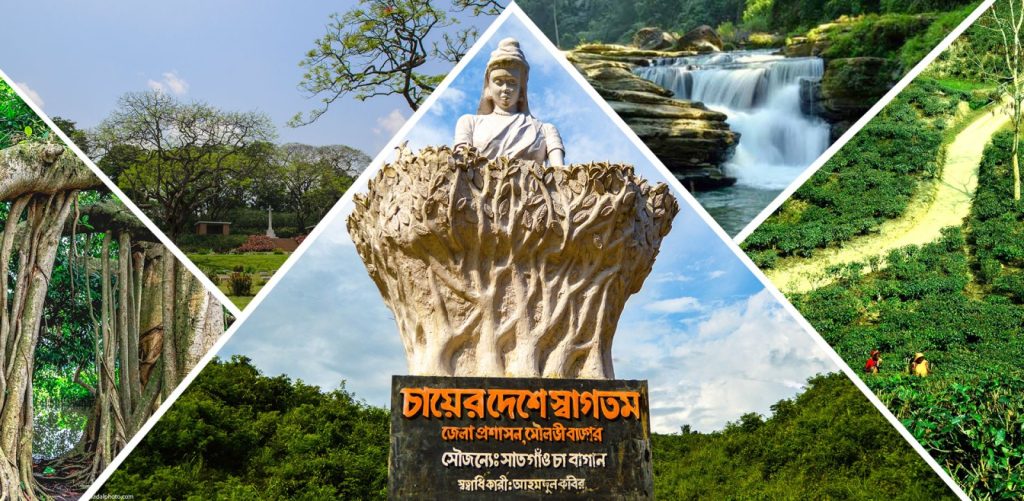
There’s a way Sylhet makes you slow down. You arrive with plans—maps on your phone, a list of “must-see” sites—and three minutes later, the schedule feels petty. Maybe it’s the way tea leaves rustle on a distant slope, or the hush around an old shrine. Whatever it is, Sylhet nudges you into a different timekeeping, one measured by breaths and cups of strong tea.
Sylhet’s Top 5 Tourist Spots/Attractions: Where Devotion Rests Against a Backdrop of Green
If you want the short version — and you should, because sometimes brevity is a mercy — here are Sylhet’s five essential experiences: the twin shrines of Shahjalal and Shah Paran, the ancient green of Malnicherra tea garden, the river-strewn drama of Jaflong, and the dreamlike Ratargul swamp forest. But let’s not treat them as bullet points. These places don’t like being rushed.
- Check out Sylhet hotels and resorts from here.
1. Hazrat Shahjalal Mazar Sharif — The City’s Quiet Heart
Walk into the heart of the city and you’ll eventually end up at Shahjalal’s shrine. Most people do. The air changes there—quieter somehow, heavier in a comforting way..
It doesn’t feel like a site made for visitors. It feels more like coming back to a familiar house—only this one has marble underfoot, pigeons tracing slow circles above its domes, and a steady murmur of prayers that never seems to fade.
There’s always motion, small and human. Someone drops a tiny offering. Pigeons land on ledges. A chai-seller calls from the lane. Nothing staged. Just life, quietly unfolding.
Tiny, repeated moments—nothing staged, all of them real—that give the place its life.
But the motion is gentle, human-scale.
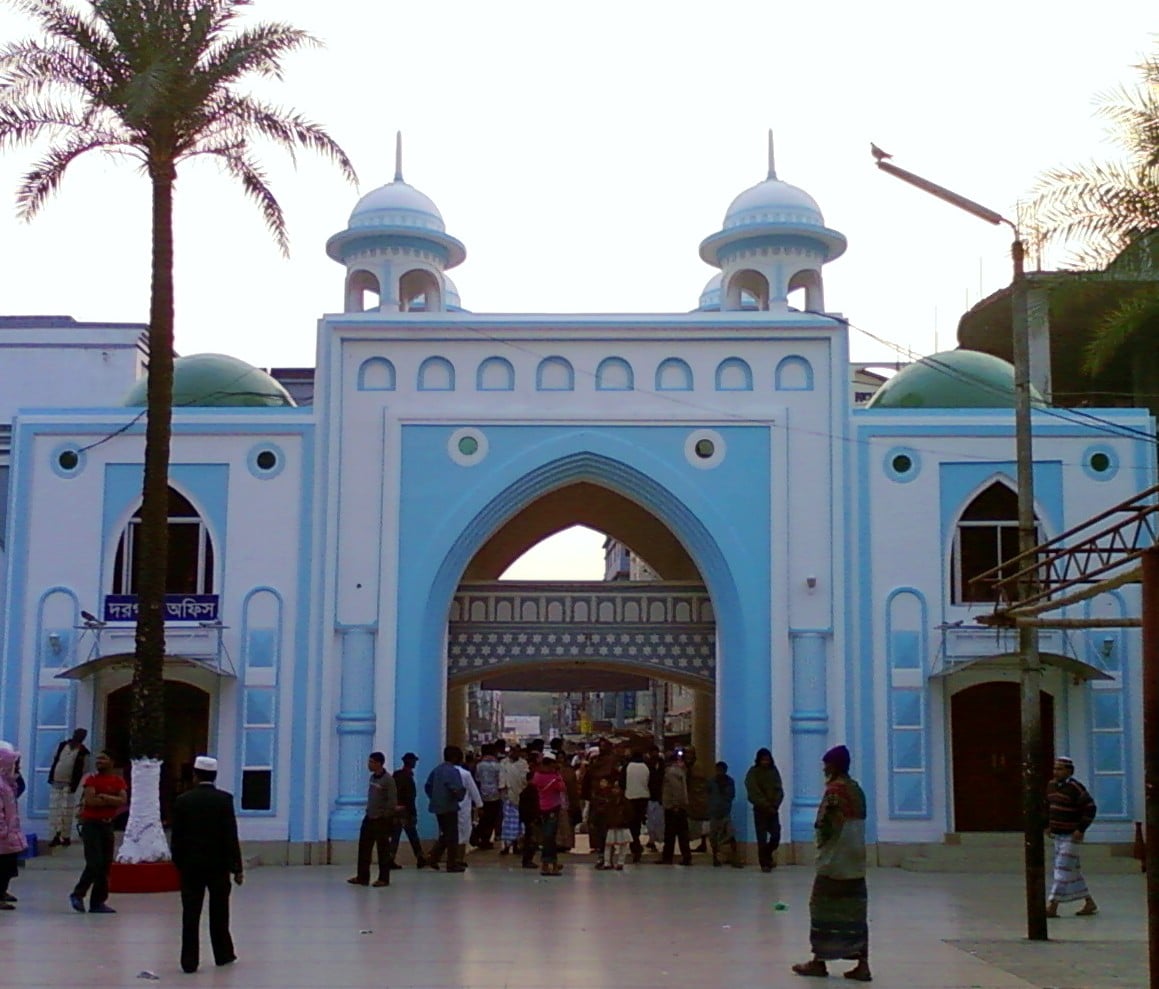
2. Hazrat Shah Paran Mazar — A Hilltop Companion
They light candles, make silent promises. It’s quieter than Shahjalal’s shrine in the city hubbub, more contemplative. If you’re tracking a spiritual thread through Sylhet, visiting both shrines feels like reading the opening and closing paragraphs of a story—each necessary to understand the whole.
This one’s quieter. It’s up a slope, and you can feel it in your calves. The view is… fine. It’s nice. But the real story here is the vibe. It feels older, more worn-in. Like a favourite leather jacket. People aren’t rushing. They’re sitting. Leaning against walls. Just… being.
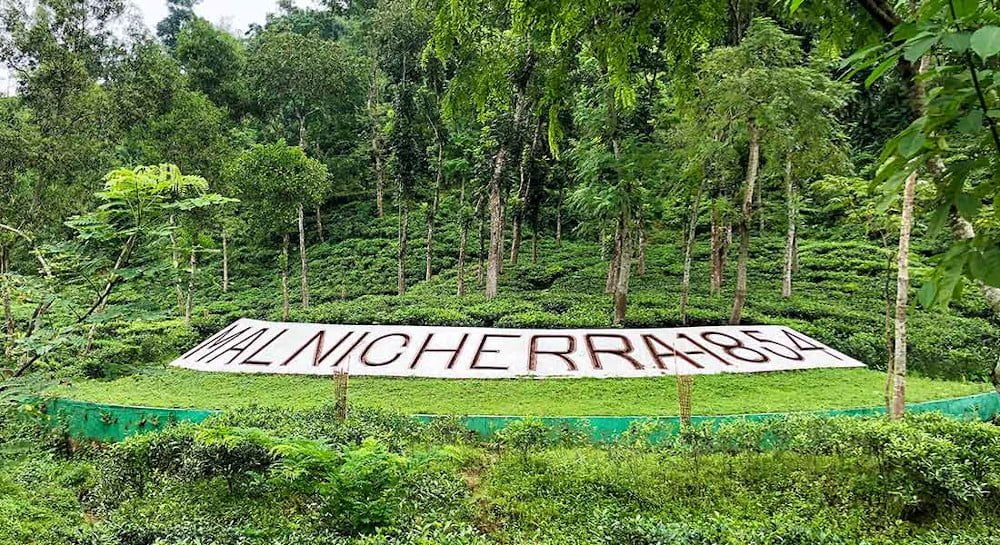
3. Malnicherra Tea Garden — The Slow, Green Work of Hands
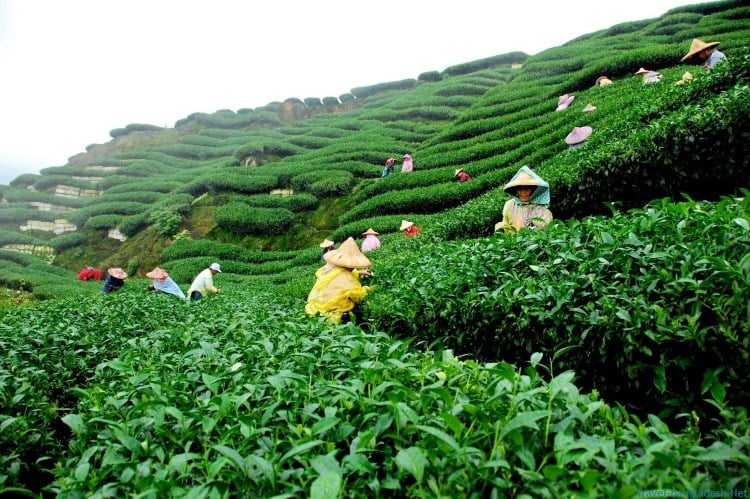
Malnicherra is not a postcard; it’s a process. Take photographs, yes, but spend more time looking. Tea tasted here tastes of place—not just leaves and water, but of the wind on a particular hill that morning.
It couldn’t handle all the green. It just looks like a messy green blob. You have to be there. The air smells different. It smells… clean. And the workers, the women in their bright saris, they barely look at you. They’ve seen a million tourists with cameras. They just keep snipping. I bought some tea from a shed. It’s sitting on my kitchen counter now. I drank some this morning. It tastes like… a memory. A good one.
4. Jaflong — Where Stones Meet the River
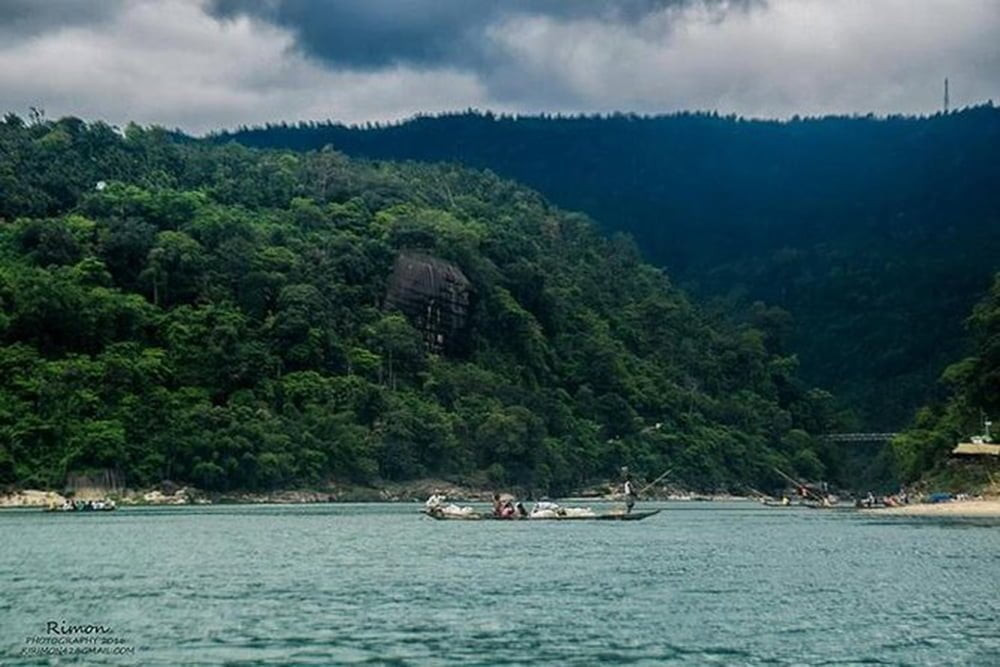
Head toward the border and you’ll find Jaflong — that bend in the Piyain River where water slows after tumbling down from the Khasi Hills. The current spreads wide here, leaving behind blankets of smooth stones.
You can tell it’s work learned young, passed down like a habit. Hard work, yes — but there’s grace in it, the kind that doesn’t ask to be noticed.
A little further along, the Khasi villages start to appear. Other times, just a story.
Jaflong doesn’t try to impress. It’s loud at times, quiet at others, messy in its own way. Honest. Grounded. Just… itself.
This is the one you see on the postcards. And yeah, it’s stunning. The water is this crazy turquoise colour, like a Gatorade ad. The mountains are right there. It’s insane. But. There are guys everywhere carrying insane loads of rocks in baskets. Their spines are at a permanent 45-degree angle. It’s brutal work.
5. Ratargul — The Forest That Breathes Water
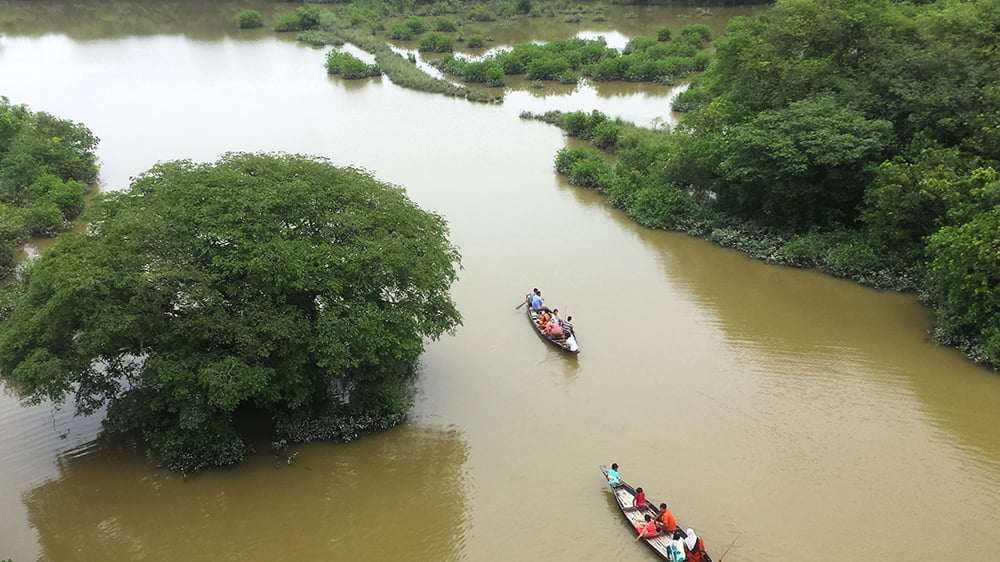
The silence in Ratargul is strange. Not empty, but heavy with things you almost feel rather than hear. Sunlight filtered down in uneven streaks, catching the water and branches in a quiet shimmer.
And then you go in. And the world just… stops. No traffic noise. No phone signal. Nothing. In a cool way. We saw a snake. It was just chilling on a branch. Our boatman just grunted.
Before You Go — Small Things That Matter
- When to visit: October to March is kind to travelers; the air is cooler and the paths are kind. If you crave drama, come during the rains — Jaflong and Ratargul transform completely.
- Getting around: Hire a local driver. They know not only the shortcuts but the stories tied to every turn.
- What to bring back: Skip the generic souvenirs. Try Sylheti tea, woven scarves, or citrus from the hill gardens — things that smell of the place.
- One note of wisdom: The weather here changes its mind often. Trust me, don’t leave without a raincoat. It’s not just a jacket — it’s your backup when the weather decides to change its mind.
- Don’t forget to check Bisnakandi Sylhet and Lakkatura Tea Garden.
Sylhet — More Than a Place
Sylhet is messy. It’s not a polished resort. You just look. You feel very, very small.
Sylhet doesn’t just hand you a few photos and send you on your way. It sticks with you. Maybe it’s the bend of a hill, or the quiet echo of a shrine, or even the way tea somehow tastes slower here. I’m not sure exactly why, but somehow it follows you home.
The place can be dramatic, sure — green valleys, rivers that gleam like glass. But the real gift is quieter than that. It teaches you to slow down, little by little. Spend a few days here, and suddenly the clock matters less. You begin to notice time differently. The wind on your face, the water running past your feet… somehow that starts to matter more than the clock.
When you leave, you might notice a change in yourself. Not something you can pack, but a new rhythm you carry. Slow. Steady. Simple. Like a stone that’s been warmed by the sun and left exactly where it belongs.